
Raveschoot 22, Lochristi, East Flanders
About Northern Sky Logistics in Lochristi
We plan and coordinate road freight, groupage, warehousing and customs work for shippers across Belgium and the wider Benelux. This page covers how we work, what we focus on, and what we do not do.
Where we are
Where we are and why it matters
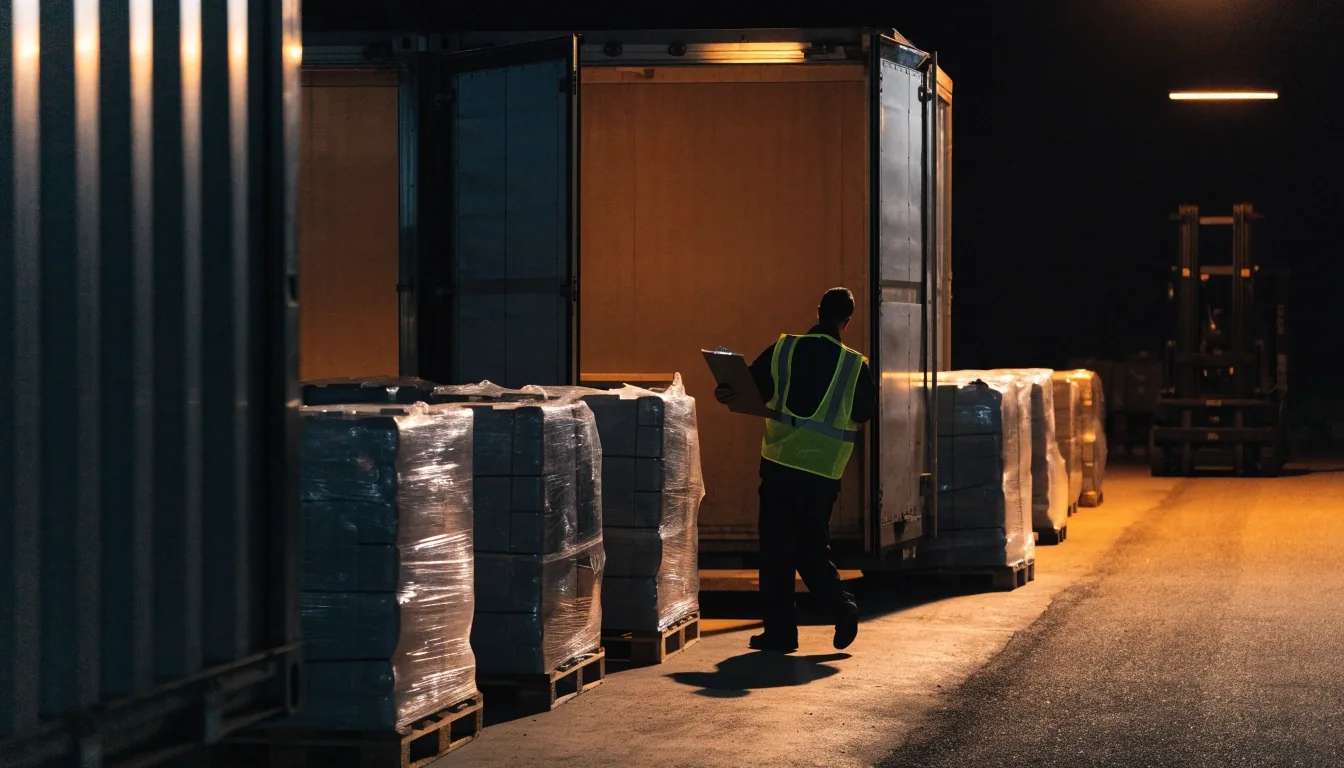
Lochristi sits on the E17 corridor between Ghent and Antwerp, which is one of the busiest freight routes in Belgium. Within a short drive we can reach the Antwerp-Bruges port complex, Brussels Airport, and the E40 running east toward Brussels, Liège and Germany. That position is not a marketing detail. It determines how quickly we can collect a shipment, how easily freight can be consolidated onto a Benelux lane, and how many of the country's main gateways are within a single driving shift.
- Road corridor
- E17 Ghent–Antwerp
- Sea gateway
- Antwerp–Bruges ports
- Air gateway
- Brussels Airport
Our services
What we actually do
Those are the services. Everything on this site describes how they work, from the first enquiry to the delivery slot.
Road freight
Groupage, LTL and full truckload
Part loads consolidated onto a shared Benelux lane, or a trailer dedicated to one consignment when the volume and the timing call for it.
Warehousing
A Belgian stock position
Storage and distribution for shippers who need goods held in Belgium and released against real orders rather than forecasts.
Customs
Declarations and clearance
Planned alongside the transport itself, especially for flows through Antwerp and Brussels where the paperwork and the truck have to move together.
Specialised cargo
Freight that fits no standard trailer
Refrigerated loads, low-bed movements and project cargo, planned around the handling equipment and permits the job actually needs.
Lane coverage
A regional focus, deliberately
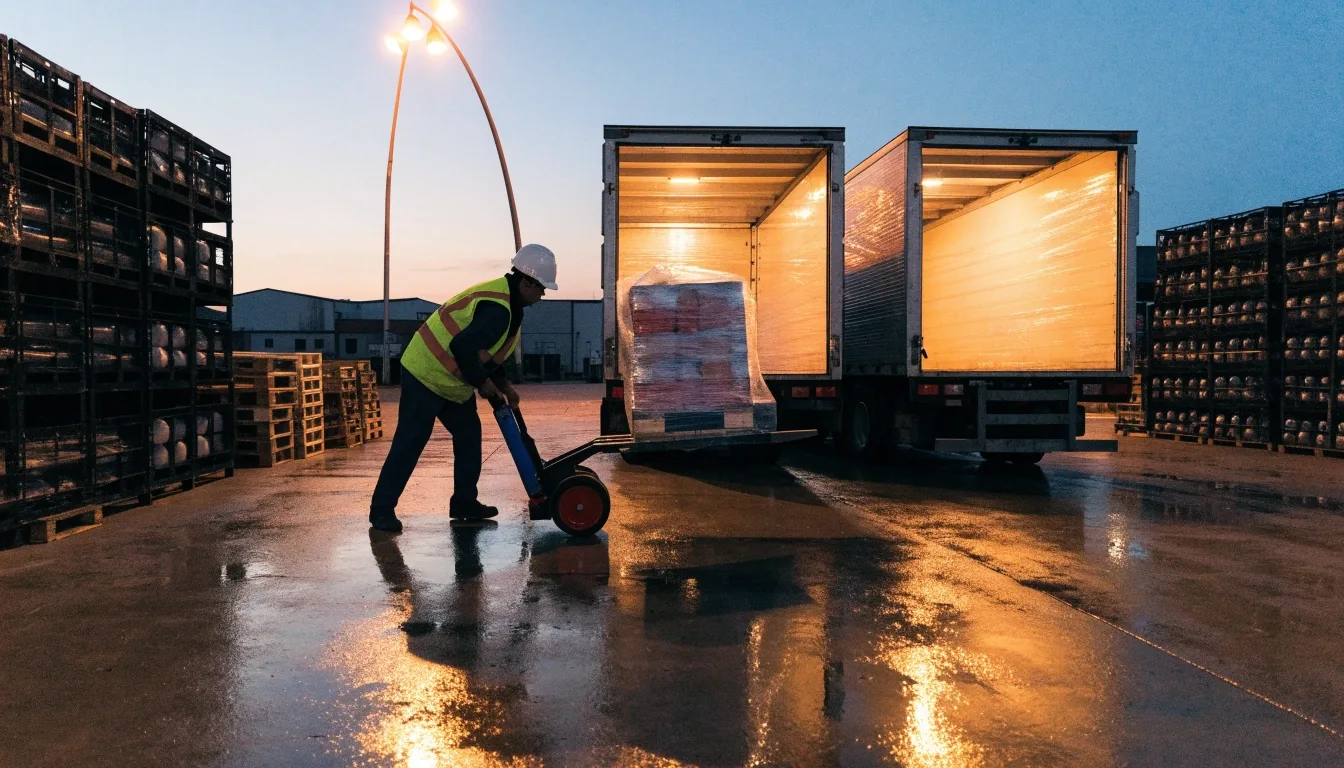
Our regular lanes concentrate on Belgium, the Netherlands, Luxembourg, and cross-border runs into northern France and Germany. Groupage only works when there is enough freight on a lane to fill a trailer, and we would rather run a smaller network properly than advertise coverage we cannot consolidate.
If your shipment falls outside our regular corridors, we will tell you at the enquiry stage and suggest how to structure it. A provider who claims to cover everywhere is usually subcontracting most of it.
Regular corridor
Belgium and the Netherlands
Lanes with enough freight on them to consolidate part loads into a full trailer on a predictable schedule.
Cross-border
Luxembourg, northern France, Germany
Runs where the customs position is checked before the trailer is loaded, not after it reaches the border.
Outside the network
Said early, not quoted anyway
If we cannot consolidate your lane, you hear it at the enquiry stage with a suggestion on how to structure the move.
The dispatch desk
The people who plan the shipments
The work is done by planners and coordinators who know the lanes, the terminals and the documentation requirements. When you send an enquiry, it reaches the dispatch desk and a person reads it.
That person will ask follow-up questions if something is unclear, rather than quoting from a rate table and hoping the assumptions hold.
What we check before quoting
Delivery windows and whether the receiving site can actually take the load when the plan says it will.
Stacking limits, pallet heights and whether the goods can be double-stacked without crushing the bottom layer.
Temperature range, confirmed before the trailer is loaded rather than after a reefer alarm.
Customs status, so a declaration is lodged while the vessel or the truck is still moving.
These four questions change a plan after it has been quoted more often than any other detail.
A large share of the effort in a shipment goes into work that never appears on a rate card.
Checking slots, confirming temperatures, lodging declarations
How we handle the parts that are not driving
A large share of the effort in a shipment goes into work that never appears on a rate card: checking that a delivery slot is booked, confirming a temperature range before the trailer is loaded, making sure a declaration is lodged while the vessel is still at sea. These steps are unglamorous and they are where delays are usually prevented.
We treat them as part of the transport job rather than as administrative overhead, because the customer experiences the result either way. A missed slot and a mis-declared load both end up as the same phone call, so it is cheaper to spend the ten minutes first.
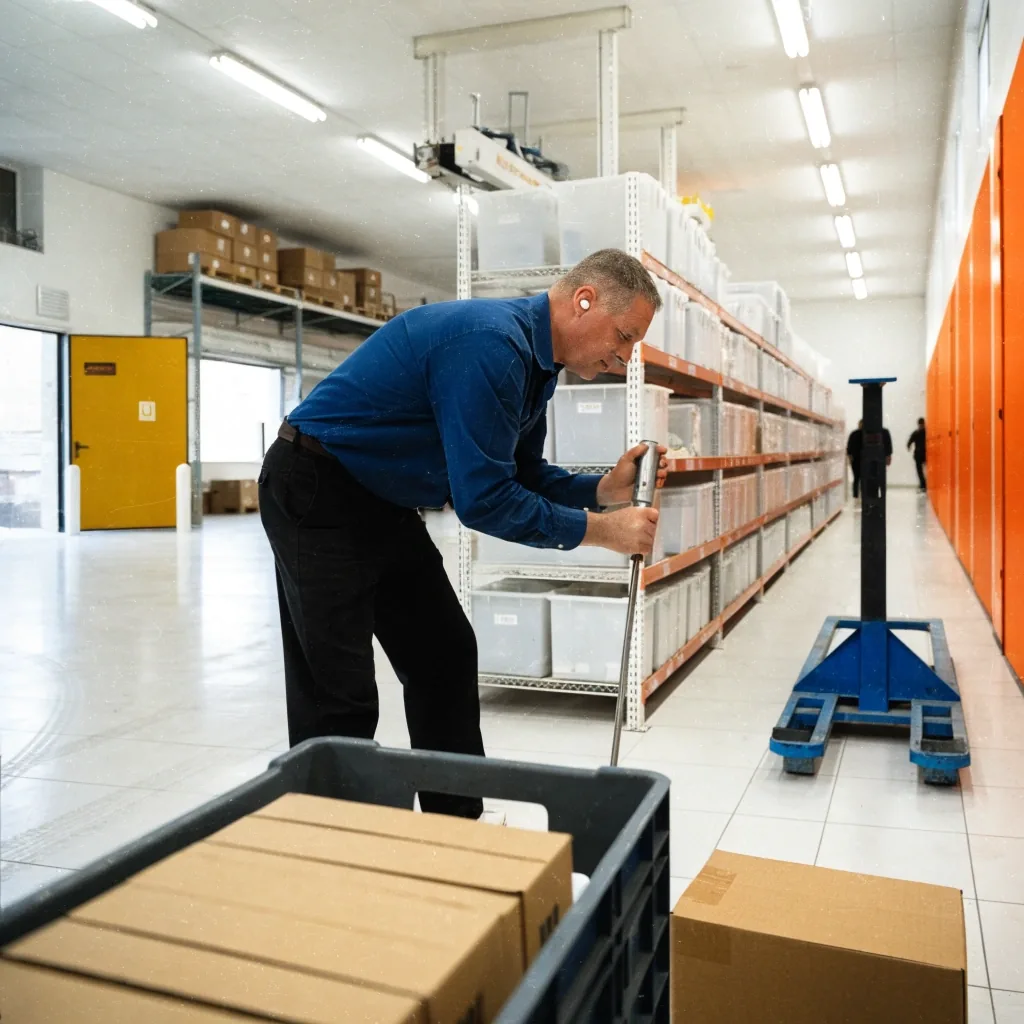
Planning happens alongside the load, not after it. Slots, temperatures and declarations are confirmed before the trailer moves.
What we do not do
What we do not do
No parcel network
We are not the right choice for single small packages that would go through a courier. If that is what you have, a courier will serve you better and cheaper.
No claim to every European lane
We will not quote a route we cannot consolidate. If your destination sits outside our corridors, we say so and suggest how the shipment could be structured instead.
No promised transit times
We do not promise delivery times that depend on factors outside anyone's control, such as port congestion or border queues. We plan around them and tell you what we are working with.
No pricing on headline rates alone
A cheap quote that misses the delivery window is not cheap. The plan and the price travel together, with the assumptions written down.
Working with new exporters
A good share of our enquiries come from companies shipping internationally for the first time, or shipping to a new market for the first time. There is no penalty for asking a basic question.
It is considerably cheaper to ask it before the truck is loaded than after the goods are sitting at a border with the wrong documentation. If you are unsure whether your shipment needs a customs declaration, or whether it qualifies for groupage, ask. We would rather spend ten minutes on the phone than a week on a problem.
Getting started
How to get started
Send us the collection address, the delivery address, what is moving, how much of it, and when it has to arrive. Add any temperature, handling or documentation requirements.
From that we can tell you which mode applies, what the customs position looks like, and whether the lane is one we run regularly. If it is not, we will say so early. If it is, you will get a plan rather than a price with assumptions attached.
Dispatch desk
Five details and we can tell you how the shipment should move.
- Collection
- Where the goods are and when they are ready
- Delivery
- Destination address and the arrival window
- Freight
- What is moving, pallets, weight and dimensions
- Handling
- Temperature, stacking and any special equipment
- Documents
- Customs status and any paperwork already in place
Raveschoot 22, 9080 Lochristi, Belgium. Monday to Friday, 09:00–18:00. Phone 998202598, or email [email protected].
Ready to talk through a shipment?
Tell us the route, the freight and the deadline. We will come back with the mode that fits, the customs position, and a straight answer on whether the lane is one we run.